

Key Highlights
- Achieve an intentionally eclectic look by unifying disparate pieces through a shared colour palette or material.
- Prioritise scale and proportion, ensuring large anchor items like a sofa are balanced with smaller, unique elements.
- Use textiles and art to inject personality while maintaining cohesion across different styles.
- Define functional zones within your home, particularly when arranging a full living room set.
Introduction
Decorating a space with furniture from different eras, styles, and origins is the essence of eclectic design. When executed well, this approach results in a unique, layered, and personal home that tells a story. However, there is a fine line between an artfully curated space and one that simply appears chaotic or messy. The secret to success lies not in having matching pieces, but in employing design principles that create harmony and visual flow. This article explores the strategic methods interior designers use to seamlessly blend diverse furniture, turning potential clutter into sophisticated cohesion.
Harmonising Styles with a Common Thread
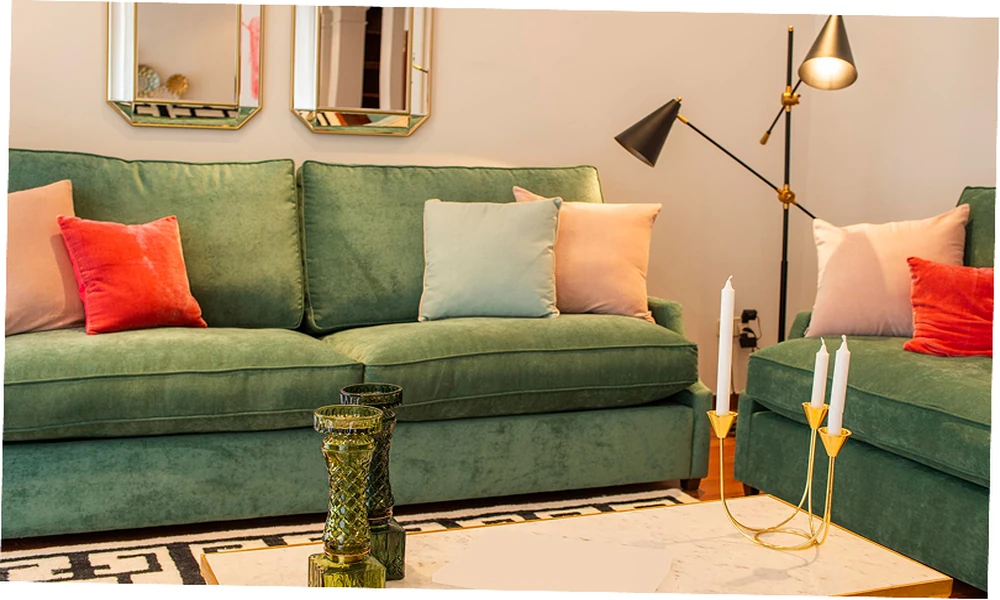
The fundamental challenge of mixing furniture is bridging the gap between seemingly unrelated items-a mid-century wooden armchair and an ornate Victorian cabinet, for example. The simplest and most effective solution is to introduce a common thread. This thread is often colour. By selecting a consistent palette, typically three to five colours, and ensuring every item in the room touches at least one of those hues, you instantly create a unified look. A classic sofa in a neutral tone like cream or grey provides an excellent foundation. You can then pull in accent cushions, throws, or decorative objects that feature your chosen primary or secondary colours, linking the diverse furniture pieces together.
Alternatively, consider material or texture. If you have several pieces of wooden furniture, ensure they share the same undertone-either warm (yellow/red) or cool (ash/grey). A smooth leather sofa can be paired with a rustic wooden table if you incorporate a textured rug or textile art piece that echoes the tactile nature of both materials. This repetition of elements offers the eye a sense of organisation and intent, preventing the room from feeling like a random collection of items.
The Power of Scale and Proportion
Scale and proportion are critical to a balanced room. A successful mix of furniture maintains visual equilibrium, regardless of style diversity. Always ensure your largest, anchor pieces-such as a commanding bookcase or a full living room set sofa-are proportionate to the room’s dimensions. Trying to force too many large items into a small space is the quickest route to clutter.
When introducing smaller, more eccentric pieces, they must still relate to the scale of their neighbours. A small, delicate side table might be swallowed up next to an oversized, modular sofa. Instead, use it next to a smaller accent chair, or group it with other small items on a tray to give it more visual weight. When purchasing larger items, such as a new sofa, from a reputable online furniture shop in Singapore, always check the detailed measurements and compare them to your existing floor plan to avoid mistakes in scale. A well-proportioned space naturally feels calmer and more deliberate, even when filled with contrasting designs.
Creating Functional Zones
In many modern homes, a single large space serves multiple purposes, necessitating a clever blend of furniture. To prevent this area from becoming a confusing jumble, create distinct functional zones. For example, in a combined living and dining area, use area rugs to visually demarcate the living room set from the dining furniture.
In the living space itself, group your mixed furniture into clear conversation areas. Ensure each zone has a primary anchor-like a generously sized living room sofa set-and supportive secondary pieces, such as a pair of mismatched armchairs. The intentional placement of furniture around a central point, like a fireplace or a coffee table, provides structure. The eye understands the purpose of the grouping, which overrides the visual dissonance of the mixed styles. Thoughtful zoning proves that a room is organised by function, making the mixture of styles appear intentional and carefully designed.
Anchoring the Room with Foundation Pieces
Every well-designed eclectic room needs pieces that provide stability and a sense of permanence. These foundation pieces are typically the largest or most historically significant items and should occupy prime real estate. The main living room sofa set is almost always the key anchor in the lounge. Building your design outwards from this piece allows you to introduce riskier, more expressive elements without losing control of the overall aesthetic.
Start by selecting the main foundational item, such as a high-quality sofa or a substantial wooden table. Once this primary piece is established, you can use accessories and lighting to link it to your more unique finds. For example, if your anchor is a contemporary, minimalist sofa, introduce a few vintage items, but ensure the metal finishes (e.g., brass, chrome) on these older items match the finish used on the sofa’s legs or surrounding lighting fixtures. Focusing on quality over quantity, perhaps sourcing durable pieces from a trusted online furniture shop in Singapore, ensures your anchor pieces remain timeless and capable of supporting any style you introduce around them.
Conclusion
Mixing furniture successfully is less about what you buy and more about how you arrange it. By focusing on fundamental design principles-harmony through colour and texture, respect for scale and proportion, and purposeful zoning-you can confidently combine diverse styles. Embracing an eclectic aesthetic allows your home to evolve organically, celebrating your personal journey and individual taste without sacrificing order or visual appeal. This intentional, cohesive layering is the hallmark of a truly stylish and inviting space.
Contact TheFurniture for a consultation or to explore our curated collections. We are TheFurniture, and we help you design a space that is uniquely yours.
